
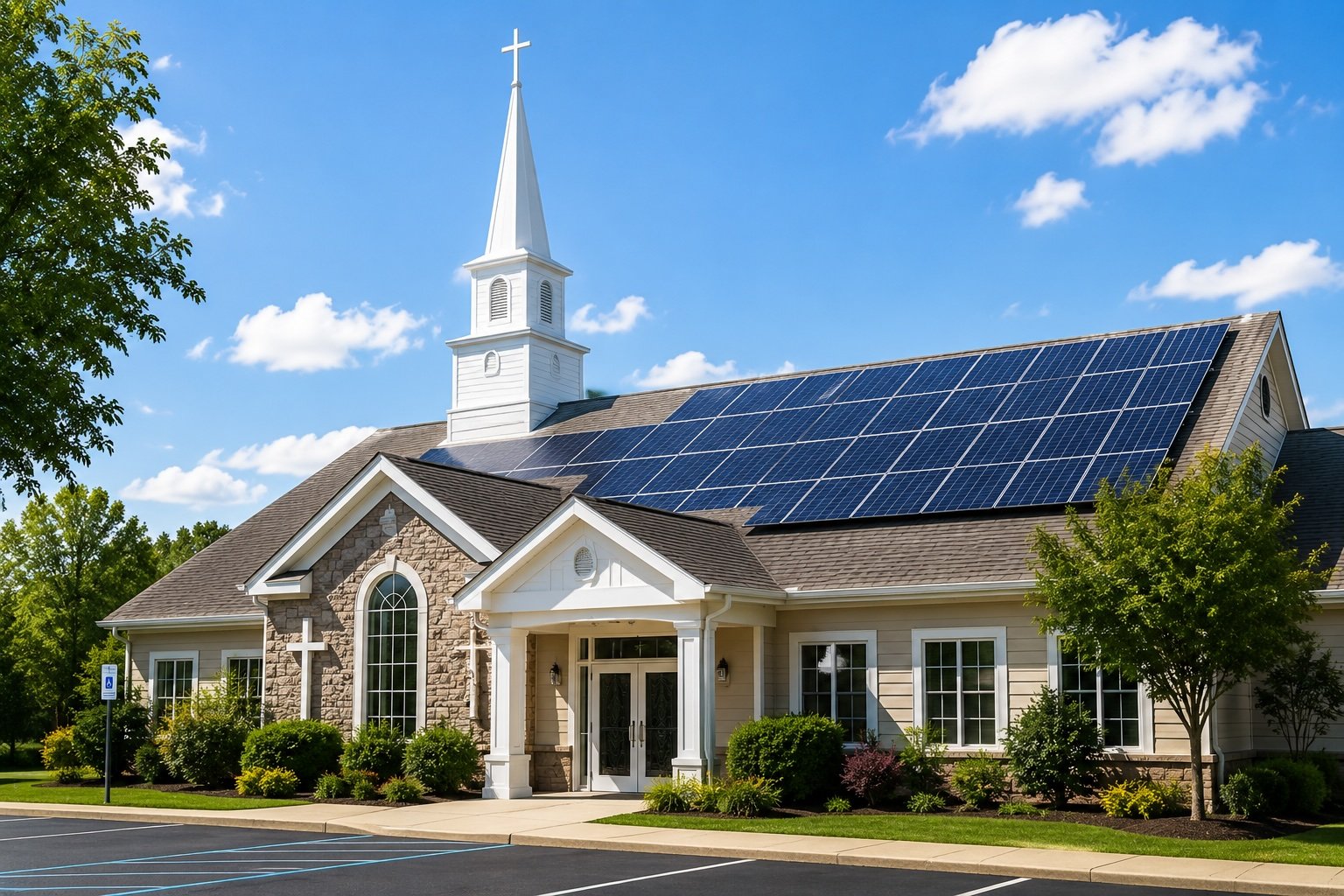
Up to 40% Federal Incentives for Nonprofit Solar
Solar may be more affordable for nonprofit organizations than you think.
Recent federal clean energy programs have created new opportunities for qualifying tax-exempt organizations to benefit directly from solar incentives. Combined with available state incentives, these programs may significantly reduce the upfront cost of installing solar.
Illinois Solar helps nonprofits evaluate their property, energy usage, solar potential, and available incentive opportunities to determine whether solar makes financial sense for their organization.
Solar Incentives Aren't Just for Taxpaying Businesses
Historically, nonprofit organizations couldn't take full advantage of many solar tax credits because they had little or no federal income tax liability.
That has changed.
Eligible tax-exempt organizations may now be able to receive qualifying federal clean-energy incentives through Elective Pay, sometimes called Direct Pay.
Instead of needing a federal tax liability to offset, qualifying organizations may receive the value of eligible clean-energy credits as a direct payment.
Organizations that may qualify include:
Churches and houses of worship
Charitable nonprofit organizations
Private nonprofit schools
Community organizations
Foundations
Religious organizations
Certain healthcare organizations
Other qualifying tax-exempt entities
Your organization's eligibility and available incentives depend on the specific project.

How Much Could Your Organization Save?
Up to 40% in Potential Federal Incentives
Qualifying solar projects may be eligible for a federal clean-energy investment credit.
Additional federal incentive opportunities may also be available when a project satisfies specific requirements, potentially increasing the total federal benefit.
PLUS
Available Illinois Solar Incentives
Additional state-level solar incentives may further reduce the effective cost of a qualifying project.
The exact incentive amount depends on factors including:
System size
Project location
Energy production
Equipment
Project construction requirements
Incentive eligibility
Available program funding
Illinois Solar can help evaluate these factors while designing your system.
Turn an Operating Expense Into a Long-Term Investment
Electricity is an expense your organization is already paying.
A properly designed solar system can allow your organization to produce a portion of that electricity directly on-site while helping reduce exposure to future utility rate increases.
Potential benefits include:
Lower Electricity Costs
Reduce the amount of electricity your organization needs to purchase from the utility.
Long-Term Energy Savings
Solar systems can continue producing electricity for decades, creating the potential for significant long-term savings.
More Predictable Energy Expenses
Producing energy on-site can help reduce your organization's exposure to changing electricity rates.
Put More Money Toward Your Mission
Reducing operating expenses can allow more resources to remain available for the people, programs, and communities your organization serves.
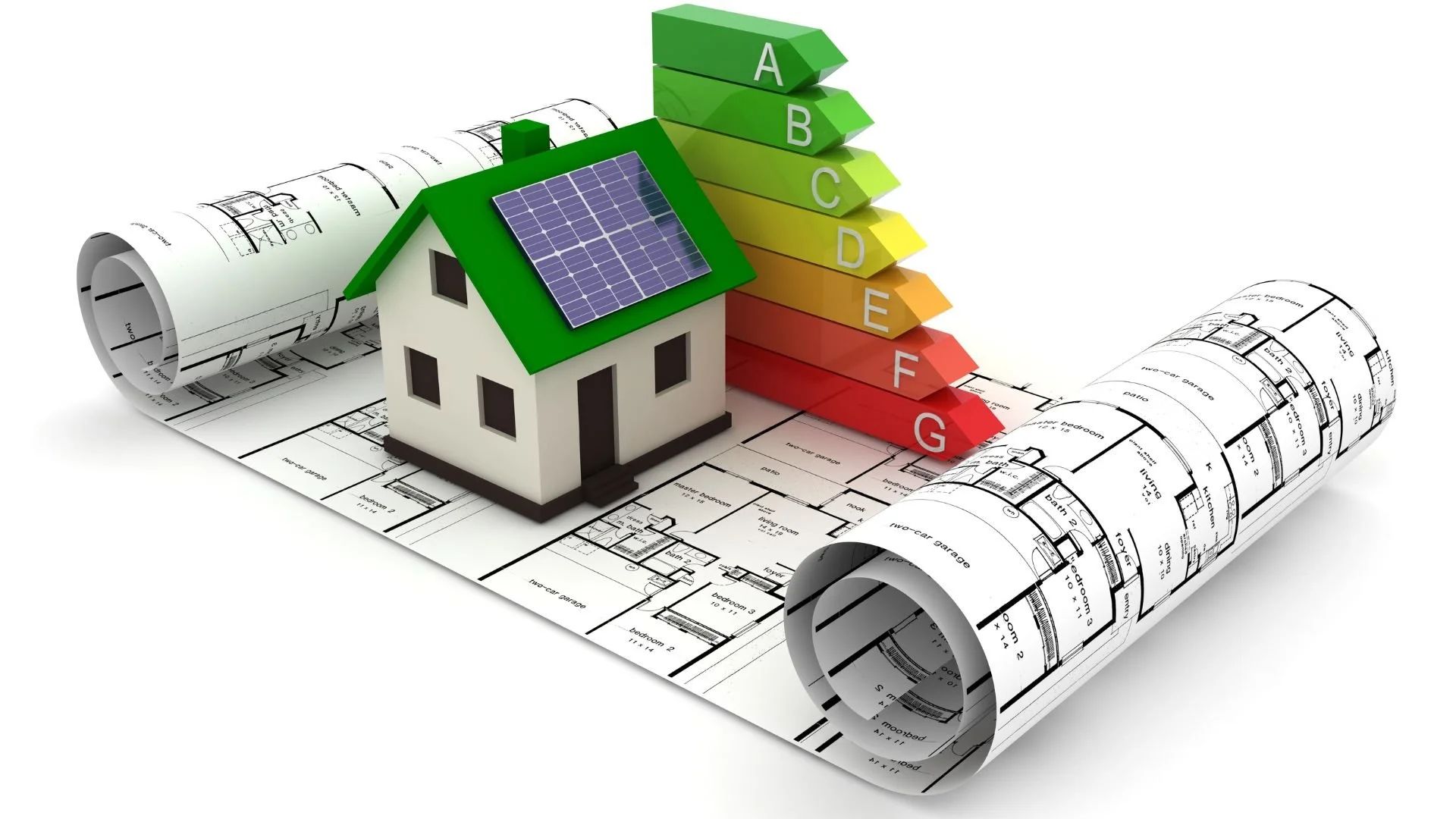
Is Your Property a Good Candidate for Solar?
Every property is different.
Illinois Solar evaluates the building and its energy requirements before recommending a system.
We can review:
Current electricity consumption
Utility costs
Available roof or ground space
Roof orientation and condition
Shading
Electrical infrastructure
Solar system size
Estimated energy production
Available incentive opportunities
Estimated long-term savings
The goal isn't simply to install as many panels as possible.
It's to design a solar system that makes sense for your organization.
See What Solar Could Look Like for Your Organization
Request Your FREE Nonprofit Solar Assessment
Tell us a little about your organization and property. Illinois Solar can review the information and help determine whether your location may be a good candidate for solar.
Nonprofit Solar FAQ
How do we know whether our building is suitable for solar?
Illinois Solar evaluates available roof or ground space, shading, orientation, electrical infrastructure, energy consumption, and other factors before recommending a system.
Can federal and state solar incentives be combined?
In many situations, multiple incentive programs may be used as part of the same solar project. The interaction between incentives depends on the project and applicable program requirements.
Can nonprofits receive the federal solar tax credit?
Qualifying tax-exempt organizations may be able to receive certain federal clean-energy credits through Elective Pay, also known as Direct Pay. Eligibility depends on the organization, project, applicable credit, and compliance with federal requirements.
Are there solar incentives available in Illinois?
Yes. Illinois has state-level programs that provide financial incentives for qualifying solar projects. Incentive amounts, requirements, availability, and program participation vary.
How much can solar save our organization?
Savings depend on your electricity usage, utility rates, available installation area, system size, solar production, financing, incentives, and other property-specific factors. Illinois Solar can evaluate these factors as part of your solar assessment.
Can churches qualify for nonprofit solar incentives?
Houses of worship and other qualifying tax-exempt organizations may be eligible for federal clean-energy incentives through Elective Pay. Each project should be evaluated individually.
Does our organization need to own the building?
Property ownership can affect how a solar project is structured. If your organization leases its facility, contact Illinois Solar and we can review the situation with you.
Does my nonprofit automatically receive 40%?
No. The amount available depends on the project and which federal requirements it satisfies. A qualifying project may receive a base federal incentive, while additional incentive opportunities may increase the total benefit.
Put More of Your Budget Toward Your Mission
Your organization already pays for electricity.
Solar may provide an opportunity to reduce that expense while taking advantage of federal and state clean-energy incentives currently available to qualifying organizations.
Find out what solar could look like for your nonprofit.